
Beyond Aesthetics: The Performance Value of Clean Network Infrastructure
The true strength of technology lies in discreetly supporting daily business activities, ensuring everything functions seamlessly. Clean, well-organized structured cabling is more than a visual detail; it is a mark of quality that reflects the discipline, planning, and precision behind the entire system.
High-quality structured cabling systems are designed to be both functional and unobtrusive. When cabling is installed with care, it becomes an invisible support system that enables consistent performance and reliability. Cleanliness in cabling is not cosmetic; it is fundamentally tied to the operational health of the network.
Organized by Design: The Synergy of Form and Function
Professional infrastructure involves more than just cable placement, as the way these components are presented and managed optimizes the efficiency of the environment. By prioritizing a tidy and systematic layout, we ensure that every component serves a dual purpose: immediate high-performance connectivity and long-term ease of use. This disciplined approach balances technical performance with the specific architectural needs of your workspace.
Standardized Connectivity Points
Instead of loose wires, devices connect through wall-mounted or floor-mounted outlets. These structured connection points improve consistency, simplify network troubleshooting and repair, and support scalability.
The Clarity of Precision Labeling
A professional installation relies on a navigable layout to maintain its value over time. Precise labeling is the roadmap of your infrastructure, turning a complex web of cables into a clear, searchable system. When every line is clearly identified at both ends, it eliminates guesswork typically associated with upgrades or relocations. This level of organization is essential for efficient maintenance, repair, and restoration of a structured cabling system, ensuring that professional low-voltage technicians can act with certainty to reduce system downtime.
Invisible Functionality
Even in cases where full concealment is not possible, professional installations maintain a clean and controlled appearance through the use of low-profile, paintable raceways that blend into the environment. The objective remains the same: protect the system while maintaining order and consistency.
The Functional Value of Tidy Cabling
Proper planning integrates physical components within the building’s architecture, with copper and fiber infrastructure neatly routed through walls, under floors, above ceilings, and within concealed pathways. This organized approach supports continuous data flow while protecting the system from physical damage and reducing exposure to signal interference.
While tidy cabling is visually professional, its primary value is technical. Disorganized installations introduce significant operational risks that can compromise a network’s lifespan.
A truly clean system integrates more than just data. It provides a unified path for fiber optic backbones, IP Security, sound masking, and wireless access points, ensuring all low-voltage systems work in harmony.
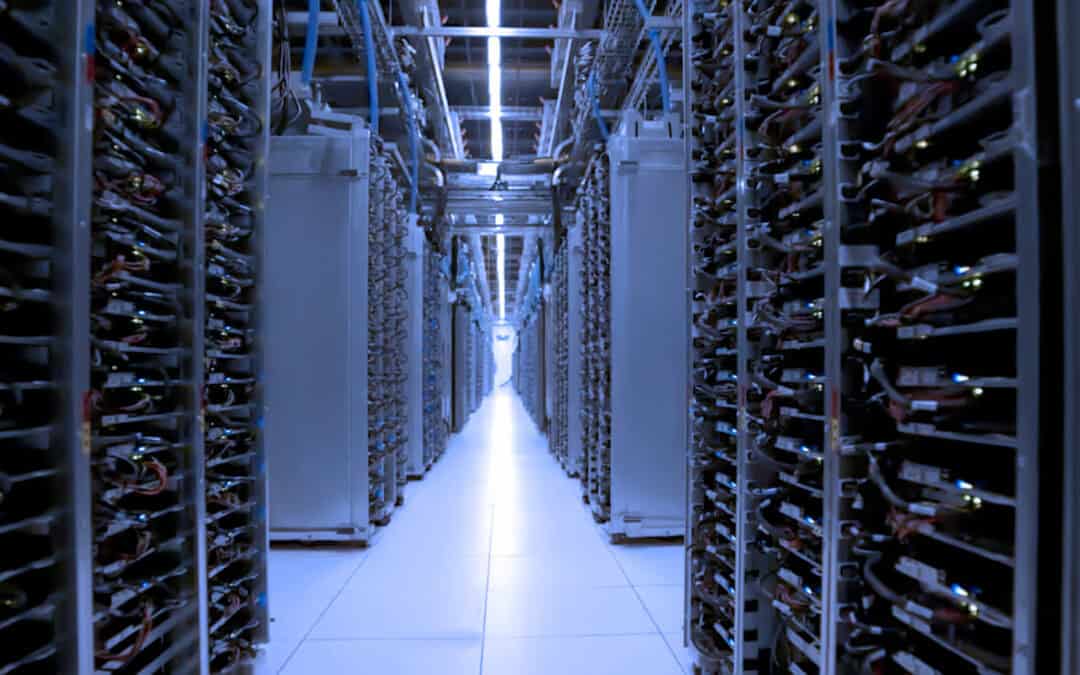
In instances where a system has been neglected, professional cable tidying—the process of physically re-organizing loose or sagging cables—can restore both the look and the performance of your server room. This process not only improves aesthetics but also ensures the system is protected from the physical stressors that cause long-term degradation.
- Signal Integrity & Risk Mitigation: Proper routing and separation prevent crosstalk and signal interference. Maintaining appropriate bend radiuses ensures cables are installed without the tension or crushing that leads to data bottlenecks.
- Optimized Airflow: Orderly bundles and clear pathways allow for proper ventilation within racks and enclosures, preventing equipment overheating and ensuring peak performance.
Visually Clean, Operationally Efficient
In environments where infrastructure is visible, such as MDF (Main Distribution Frame) and IDF (Intermediate Distribution Frame) rooms, organization is critical for day-to-day maintenance. A clean setup, supported by consistent color-coding, transforms a complex network into a manageable asset.
Technicians can instantly locate ports and isolate issues, which allows for faster diagnostics and upgrades with minimal disruption. When a system is fundamentally well-structured, maintenance becomes a predictable process rather than a reactive one, which significantly minimizes potential downtime. Maintaining these high-performance standards means addressing the inevitable wear of physical components through a strategic focus on system health:
- System Cleanups: Re-organizing congested or tangled wiring to prevent overheating and accidental outages.
- On-Site Repairs: Rapidly identifying and fixing connectivity breaks to minimize downtime, including connector & jack replacement.
- Emergency Restoration: High-priority response to get your system back up and running after a critical failure.
- Infrastructure Refreshes: Updating old components and legacy wiring without needing a total, expensive overhaul.
A Foundation for the Future
Clean and structured cabling does more than support current operations; it establishes a foundation for long-term performance.
Well-organized infrastructure allows for seamless expansion and the integration of new technologies. Systems can evolve without requiring disruptive rework, and capacity can be extended without compromising performance. This forward-looking approach reduces lifecycle costs and ensures that the network remains adaptable as business needs change.
Achieving this level of quality requires expertise and attention to detail. It is not just about installing cables, but about designing and implementing an infrastructure that performs consistently over time.
A professional partner like ICAS brings that level of precision — delivering infrastructure that is discreet, organized, and engineered for performance, scalability, and long-term value.
To learn how structured cabling can improve both the performance and reliability of your network, contact ICAS for a consultation.