
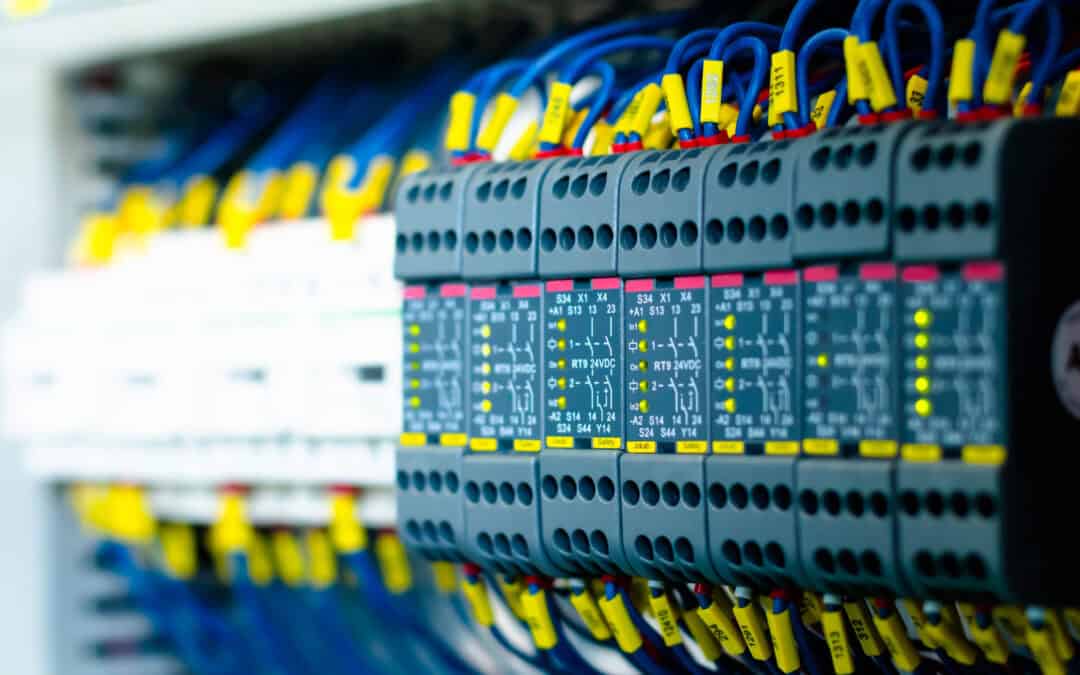
Behind the Sheetrock: The Hidden Electrical Infrastructure Powering Modern IT Networks
Every second of network downtime costs money. Organizations invest heavily in cutting-edge servers, cybersecurity, cloud platforms, and networking equipment, yet many overlook the one system every single piece of technology depends on: the electrical infrastructure hidden behind the walls.
Without reliable electrical power, even the most advanced IT equipment becomes vulnerable to voltage fluctuations, overloaded circuits, hardware failures, and disruptive downtime. Today’s commercial buildings require far more than traditional wall outlets. High-density servers, network switches, and constant 24/7 workloads require a robust electrical foundation capable of delivering clean, continuous, and dependable power.
In many older or metropolitan commercial buildings, aging electrical distribution systems were not originally built to support today’s technology and cooling loads. Modernizing this core power system is essential to handle heavy electricity loads safely, accommodate growth, and prevent sudden failures.
1. Protecting Hardware with Dedicated Circuits
Reliable power extends the life of high-value IT equipment. In typical offices, standard circuits share power loads with copiers, kitchen appliances, and HVAC equipment. This shared setup introduces electrical noise, minor voltage variations, and unnecessary stress on sensitive electronics.
Dedicated electrical circuits isolate mission-critical equipment, routing clean electricity through a properly designed grounding path.
This setup delivers several key operational advantages:
- Reduced Electrical Interference: Isolates sensitive network hardware from power quality issues caused by nearby heavy machinery or appliances.
- Minimized Unexpected Downtime: Lowers the risk of server interruptions and breaker trips caused by minor voltage drops or shared load spikes.
- Dedicated Equipment Protection: Gives server racks their own clean, isolated grounding path to guard delicate internal components and extend hardware lifespan.
For server rooms and communications hubs, dedicated circuits are a baseline best practice.
2. Conditioned Power: UPS Systems and Surge Protection
Power interruptions don’t always manifest as complete blackout outages. Even brief voltage sags or electrical surges can freeze business operations, corrupt data, or fry expensive equipment.
Uninterruptible Power Supply (UPS) systems act as the first line of defense, providing immediate, temporary backup power while actively conditioning incoming electricity to smooth out minor power disturbances. When integrated with heavy-duty surge protection devices, a robust UPS strategy safeguards data integrity, prevents unexpected shutdowns, and ensures consistent business continuity.
3. Securing Power for Climate Control Systems
Network servers generate substantial heat and require continuous climate control to run reliably. Therefore, protecting critical equipment requires designing a dependable electrical infrastructure for the cooling environment itself. Industrial cooling units must run on their own strong, separate circuits to ensure they keep operating during peak summer loads.
Key electrical components for server room climate control feature:
- Heavy-Duty Power Lines: Utilizing thick, high-capacity conductors designed to handle the continuous loads of cooling compressors.
- Separate Breaker Configurations: Utilizing dedicated, properly sized breakers to support primary and backup cooling equipment independently.
- Precision Control Integration: Installing dedicated control wiring to keep environmental monitoring and thermostat systems stable and responsive.
4. Emergency Backup Power and Business Continuity
For healthcare facilities, financial institutions, data centers, and modern enterprises, losing power is simply not an option. When the utility grid fails, a seamless transition to emergency backup power is required to maintain essential operations.
An effective, code-compliant emergency power strategy requires careful electrical planning, including:
- Automatic Transfer Switches (ATS): To instantly sense a power failure and safely switch the building’s electrical load from the utility grid to the generator.
- Emergency Distribution Panels: Dedicated panels that isolate and power only the most mission-critical systems during an outage.
- Priority Load Management: Intelligent electrical design that ensures power is routed to critical servers, security, and life-safety systems first.
5. Fire Safety and Life-Safety Integration
A complete physical infrastructure must protect both technology and people. Modern commercial electrical infrastructure must interface cleanly with building fire alarm systems, emergency lighting, smoke control equipment, and life-safety controls.
In busy server environments, this integration ensures that if a fire emergency arises, the electrical and cooling systems coordinate automatically (such as pausing HVAC airflow to contain smoke or triggering emergency shutdowns) in accordance with local and national electrical codes.
Building a Foundation for Future Growth
Technology evolves exponentially faster than physical buildings. Artificial intelligence, cloud computing, smart building automation, and electric vehicle charging are consistently placing unprecedented demands on commercial electrical systems.
Proactively upgrading electrical capacity, by modernizing electrical panels, installing additional circuits, and reserving spare capacity, allows organizations to seamlessly adopt tomorrow’s technology without major renovations, expensive emergency modifications, or costly downtime.
Successful commercial electrical projects require deep expertise, accurate documentation, and strict code compliance. Reliable electrical systems don’t simply power buildings; they power business.
Why ICAS Electrical Services?
ICAS Electrical Services helps organizations install, upgrade, and maintain the complex commercial electrical infrastructure required to support modern business operations. Contact ICAS Electrical Services today for a free consultation.